
Beach Fishing: The Ultimate Guide
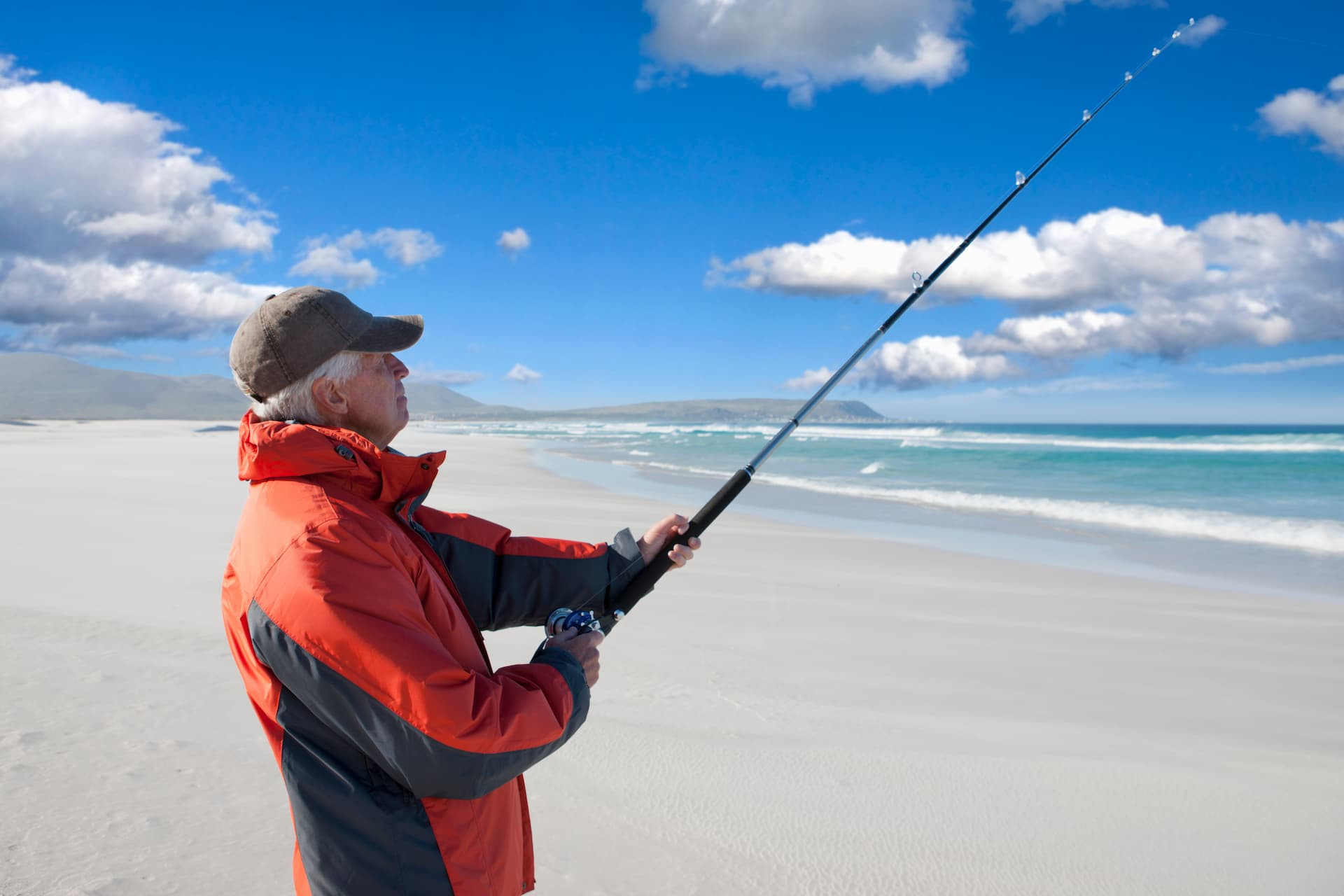
Beach fishing ranks among the most rewarding ways to fish. Anglers can land monster catches with their feet planted firmly in the sand. Australia's beautiful beaches that surround the country have made this activity incredibly popular.
The magic of beach fishing hits different - you really need to experience it yourself to get it. Picture yourself casting a line into the waves as the sun peeks over the horizon. The white foam washing around your bare feet creates an almost zen-like state. Beach fishing gives you a perfect escape from winter blues and lets you safely catch many different species.
Success in beach fishing depends on your ability to 'read' the beach and spot structures like holes, gutters and rips. Timing is vital - most fish bite best at dusk and dawn, while specific tides can boost your chances. The Australian salmon season runs from mid-May to November, which brings some of the best action.
This ultimate guide covers everything you need to know about beach fishing. You'll learn about essential gear, finding prime spots, picking the right bait and staying safe as conditions change. The guide works great for both seasoned anglers and newcomers alike.
Why Beach Fishing is Worth Trying
Beach fishing is more than just catching fish. It combines fun and health benefits that make it a great experience. The mix of natural elements creates something that exceeds simple angling.
The appeal of fishing from the sand
Beach fishing creates a deep connection with nature that you can't find anywhere else. The ocean's edge gives you a simple yet rewarding experience as you feel sand between your toes and water at your feet. This type of fishing taps into something basic - waves rolling against the sand and foamy water rushing up the beach create a peaceful escape from our modern world.
Your senses come alive with this activity. Nothing beats casting a line into the waves while watching the sun rise or set over the horizon, white foam splashing around your feet. This natural connection lets anglers find the solitude they seek. Yes, it is about more than catching fish - it's about finding peace in our busy lives.
Research shows that time spent outdoors helps people recover from mental fatigue better than indoor environments. Physical activities like fishing are a great way to get health and wellness benefits. Patients in hospitals recover faster from surgery when they can see nature from their rooms.
Beach fishing helps mental health because:
- Outdoor exercise improves mental health more than indoor workouts
- Natural surroundings create a meditative state
- You can escape digital distractions
- It balances focus and relaxation
Who beach fishing is best suited for
Beach fishing stands out because it's easy to start. You don't need fancy equipment or deep technical knowledge like other fishing methods. This makes it perfect for families and beginners.
The activity works well for groups and solo anglers alike. Families love it because everyone can enjoy nature together while trying to catch dinner. It creates special moments between generations. Even on busy beaches, you can usually find a quiet spot.
Many anglers choose beach fishing over rock or boat fishing for safety reasons. Sand gives a stable footing without the risks of slippery rocks or rough waters. This makes it ideal for kids, older adults, or anyone with limited mobility.
Beach fishing brings unexpected health perks. Most people start fishing to connect with nature and reduce stress. The activity boosts overall health and happiness through movement, stress relief, and fresh air.
Beach fishing works best for people who want both excitement and peace. It challenges you while letting you relax and reflect. This appeal keeps drawing people to shorelines everywhere.
Getting Started with Beach Fishing Gear
Your success in beach fishing depends on picking the right equipment. Good gear gives you a unique experience and makes it easier to catch that prized fish.
Simple gear setup for beginners
New beach anglers need versatile gear that works in different conditions without getting too complex.
You need these simple items in your beach fishing kit:
A quality rod and reel combo is the foundation of your setup. Light surf fishing for bream, whiting, dart, and smaller tailor or salmon works best with a 10-12 foot rod with a 3-6kg line rating. This length keeps your line above breaking waves and lets you cast further. Match this with a spin reel (sizes 3000-4000) or a side-cast reel like an Alvey.
Monofilament line remains the top choice for most beach fishing. Its natural stretch helps absorb shock from striking and playing fish in waves. Braided line casts better with lures, but its zero-stretch properties mean you might miss more strikes during bait fishing.
Terminal tackle should be simple - hooks, sinkers, swivels, and maybe pre-made surf fishing rigs. Small, long-shanked hooks from No. 6 to 1/0 catch most beach species well. Beginners find success with a simple sliding sinker rig or paternoster rig.
Upgrading for larger species
Experience and bigger fish mean you'll need different gear. Catching mulloway, sharks, and large stingrays requires a 10-13 foot rod with a 10-20kg rating paired with a 6000-12000 sized reel. Use 9 - 14kg monofilament line to handle these powerful fish.
Bigger fish need stronger terminal tackle. Heavier sinkers (90-180 grams) help hold position in stronger surf. Star sinkers work in moderate conditions, but you might need grapnel sinkers in heavier surf.
Tips for managing your gear
Salt and sand can quickly damage even the best gear. Here's what to do after each fishing session:
- Tighten drag knobs fully before cleaning so water doesn't get into the drag washers.
- Wipe down rods and reels with a freshwater-soaked rag, focusing on spots where salt builds up.
- Rinse braided line in warm water to stop salt buildup and spool corrosion.
- Dry all equipment with a clean towel.
- Take off the spool and look for sand in the rotor, inside the spool, and around the bail arm.
- Put non-petroleum-based lubricant on moving parts.
Don't spray reels with high-pressure hoses or submerge them - this pushes salt and sand deeper into the mechanisms. Let professionals handle serious repairs instead of trying complex fixes yourself. Good maintenance helps your equipment last longer. You'll save money and have reliable gear ready when that dream fish bites.
Finding the Right Spot on the Beach
Finding the best fishing spots can make or break your beach fishing trip. The best gear and techniques won't help much if you're fishing in the wrong place.
How to spot productive gutters
Gutters are deep water channels that run parallel to the shore and act as underwater highways for fish looking for food. Waves create these formations by depositing water on the beach. The excess water flows back through the easiest path and slowly carves deeper channels. Fish gather in these gutters because waves stir up and deposit food there.
You can spot a good gutter by looking for darker water between sandbanks or along their edges. A gutter usually exists where waves break over a sandbank, reform, and then break again closer to shore. The darker water shows deeper spots - usually the best places to cast. These gutters might run alongside the beach, show up as dips, or stretch like fingers toward the shore at different angles.
Using visual cues and maps
The best way to read a beach starts with watching it carefully. Find a high spot like a dune or headland and look for these signs:
- Water colour changes (darker water shows depth)
- Breaking wave patterns (waves that break, reform, then break again)
- Rippled water and foam (often shows current flow or entrances)
- Birds diving or baitfish jumping (shows feeding activity)
New technology helps support traditional observation methods. Apps like Navionics, Google Earth, and beach webcams show underwater structures before you visit. A visit during very low tides lets you see features that are usually underwater.
When to move and when to stay
Beach fishing needs both patience and movement. Stay put if you see bait activity, birds circling, or jumping fish. These signs show that the food chain is active.
You should think about moving if nothing happens for 15-20 minutes. All but one of these fish live in just 10% of the water. Things change as tides move and gutters shift. Some gutters might fill up completely based on how the swells hit the beach.
These four factors should guide your decision to move:
- Presence of bait (it starts the food chain)
- Water level and current (affects access to the structure)
- Wind direction (creates protected and exposed shorelines)
- Water temperature (affects how fish behave)
Stay flexible during your fishing session. The beach's best spot changes as sand and tides move.
Choosing the Right Bait and Lures
The right bait or lure makes all the difference between a great catch and leaving the beach disappointed. Your choice should match your target fish, the conditions, and what works best for you.
Live bait vs frozen bait
Live and frozen bait each shine in their own way when you're fishing from the beach. Fish can't resist live bait's natural movement and scent. Frozen bait gives you convenience without worrying about keeping anything alive.
Most species bite more often with live bait because it looks and moves naturally in the water. You'll need aerators, livewells, or coolers to keep it fresh, though. Frozen bait lasts longer, costs less, and stays ready for those last-minute fishing trips.
Pilchards work great for catching bigger fish like salmon, flathead, and bream on the beach. Squid pieces and worms catch whiting, dart, and bream really well. Beachworms are the top choice for catching bread-and-butter species in the surf, and they attract those hard-to-catch mulloways, too.
How to collect your own bait
Getting your own bait adds excitement to your fishing experience. You'll need a yabby pump to catch yabbies. The sand should be soft and mixed with dark mud patches in shallow coastal areas. Look for them around low tide. Put the pump nozzle over their burrow and create strong suction.
The "pipi shuffle" helps you find pipis. Stand in wet sand and twist your feet down into it. Keep your foot on any hard object you feel and grab it from the sand. Beachworms come out for old onion bags filled with fish frames. Once they appear, tempt them with pipi or firm fish bait.
Lure types and when to use them
There are many different varieties of lures. Metal lures catch the most fish from the beach. TT Lures Hard Core metal lures (20g, 30g, and 40g) consistently catch swallowtail dart, salmon, tailor, mackerel, and tuna. Try different retrieval methods: fast speeds, stop-and-go, or steady pulls with rod tip movements.
ZMan 3" MinnowZ soft plastics made from tough ElaZtech work great in surf gutters for tailor, queenfish, and trevally. Rough surf needs bigger lures like the ZMan 4" SwimmerZ or 6" SwimmerZ with heavier jigheads for longer casts.
Scented Jerk ShadZ cast far and sink faster than paddle tails, perfect on windy days. Small blades, hardbodies, and jigs catch whiting, bream, and flathead really well in beach gutters.
Tips for Success and Staying Safe
The lifeblood of successful beach fishing lies in perfect timing and safety measures. Your angling adventures will transform when you know the right time to fish and how to stay protected.
Best time for beach fishing
Fish actively feed during low-light periods, making the hours around dawn and dusk your best bet. Most experienced anglers get their best catches during the last two hours of incoming tide and the first hour after it starts going out. On top of that, you might land exceptional catches right before a storm approaches as fish go into a feeding frenzy. Your success rate could improve by watching the barometric pressure - rapid drops (changes exceeding 0.18 inches Hg in 3 hours) create perfect conditions for fish to bite.
Staying safe in changing conditions
Your safety must come first when beach fishing. Take time to review weather forecasts and tide charts before heading out. Never fish alone, and let someone know about your fishing plans. Your safety kit should include a mobile phone, first aid supplies, and weather-appropriate clothing. The moment conditions turn bad, pack up and leave. No catch is worth putting your life at risk.
Common mistakes to avoid
Many new beach anglers cast their lines too far out and miss the rich strike zones near the shore. Clear water fish often get spooked by complex store-bought rigs. Maybe even the biggest blunder comes from not paying attention to tides. Your success depends on understanding these water movements.
Conclusion
Beach fishing ranks among the most available and rewarding ways to fish today. This piece covers everything from gear selection to reading beach formations that help anglers catch more fish while enjoying their time with sand between their toes.
The right equipment makes all the difference in beach fishing success. New anglers should start with versatile 10-12-foot rods paired with matching reels. They can upgrade later as they target bigger species. Good maintenance will protect gear from harsh coastal conditions.
Spotting productive areas needs a sharp eye for gutters, wave patterns, and other signs. Fish gather where food collects, so anglers who spot these zones catch substantially more fish. Most fish swim in just 10% of the water, so it's smart to move spots after 15-20 minutes without action.
Bait choice makes a huge impact on results. Live bait works better but needs more care, while frozen bait trades convenience for effectiveness. Many seasoned anglers catch their own bait, which adds another rewarding aspect to their beach fishing experience.
Timing is a vital factor. The best fishing happens during dawn and dusk when the tides are right. Safety should always come first - check weather forecasts, bring a buddy, and pack safety gear as second nature.
Beach fishing delivers more than just dinner. Standing at the ocean's edge brings a sense of peace. The outdoor activity boosts health, and nature's elements create a unique experience that draws anglers back to shores worldwide. Whether you want quiet time alone or family bonding, beach fishing gives you both adventure and peace.
If you're looking at getting into beach fishing but are still unsure where to start or what type of gear you should be buying, don’t hesitate to come in and visit our friendly team in-store here at Barra Jacks. Or head to our website to shop our products.
FAQs
What is the most effective bait for beach fishing?
The most effective bait for beach fishing varies depending on the target species. Live bait like pilchards, squid pieces, and beachworms are excellent choices for many species. Frozen bait is also a convenient option. For larger fish, pilchards work well, while beachworms are considered a top choice for various surf species, including the elusive mulloway.
How can I improve my beach fishing technique?
To improve your beach fishing technique, focus on casting accuracy rather than distance. Use a basic overhand cast to place your bait in productive areas like gutters or near structures. Pay attention to tides and fish during the last two hours of the incoming tide and the first hour of the outgoing tide. Also, consider using simple rigs like a sliding sinker or paternoster rig for better results.
What essential gear do I need for beach fishing?
For beach fishing, you'll need a 10-12-foot rod with a 3-6kg line rating, paired with a spin reel (sizes 3000-4000) or a side-cast reel. Use monofilament line for its shock-absorbing properties. Essential terminal tackle includes hooks (sizes No. 6 to 1/0), sinkers, swivels, and simple rigs. Don't forget safety equipment like a mobile phone and a first aid kit.
How do I identify good fishing spots on a beach?
Look for darker-colored water between sandbanks, which indicates deeper channels or gutters where fish concentrate. Observe wave patterns - areas where waves break, reform, then break again often signify productive gutters. Watch for signs of feeding activity like diving birds or jumping baitfish. Using elevated vantage points or technology like Google Earth can also help identify potential hotspots.
When is the best time to go beach fishing?
The most productive times for beach fishing are typically during the hours surrounding dawn and dusk when fish are actively feeding. Fishing during the last two hours of the incoming tide and the first hour of the outgoing tide can also yield good results. Additionally, fishing before an approaching storm or during rapid barometric pressure drops can lead to increased fish activity.