
Elevate your Fishing to the next level with our range of Soft Plastics!
Every angler deserves high quality gear that delivers results, our huge range of plastics will ensure your rod will be bending in no time. No matter your target species we have the right soft plastics to suit you demands.
Shop by type/category
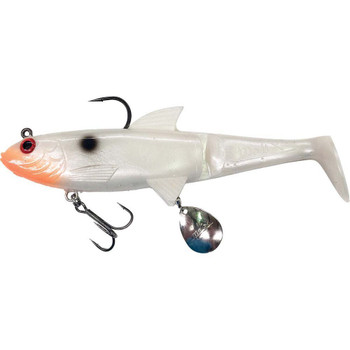
Swimbaits
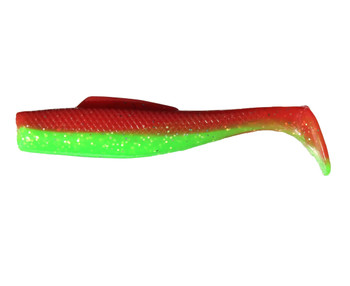
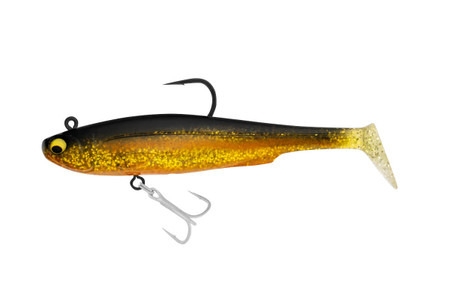
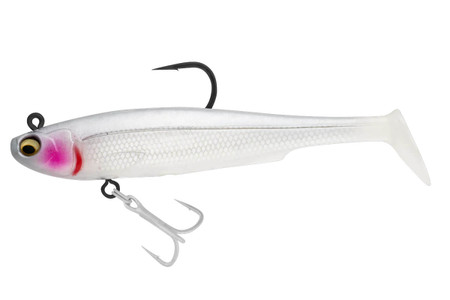
Paddle Tail
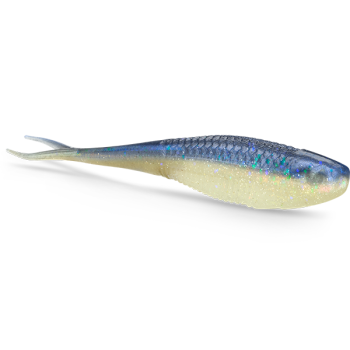
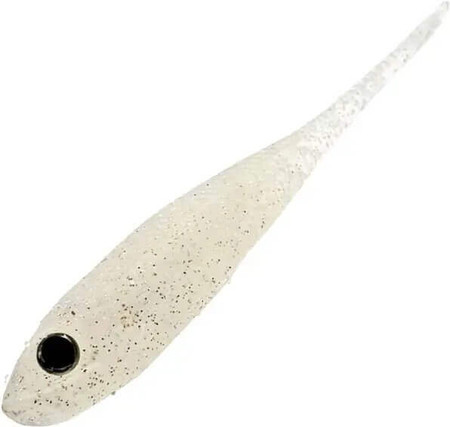
Jerkbait Minnow
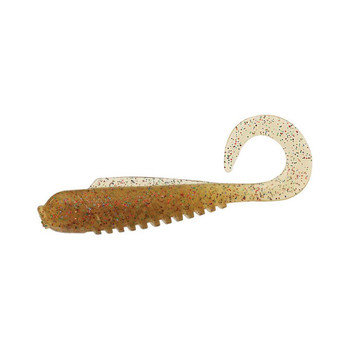
Curly Tails
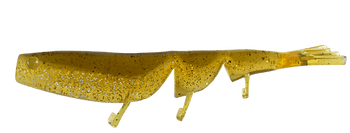
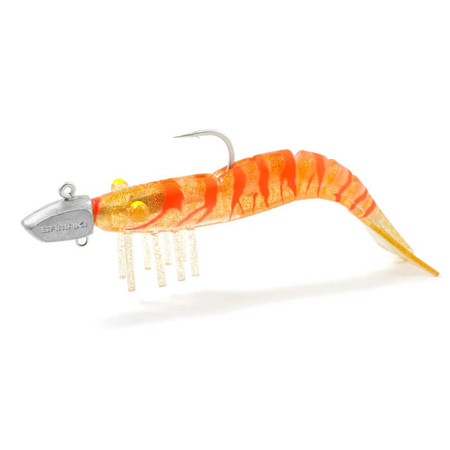
Prawn
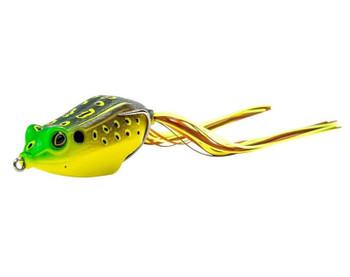
Frogs
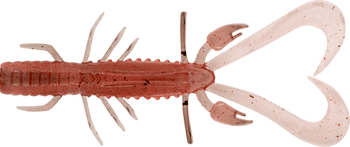
Creature Baits
Soft Plastics
271 products
Products
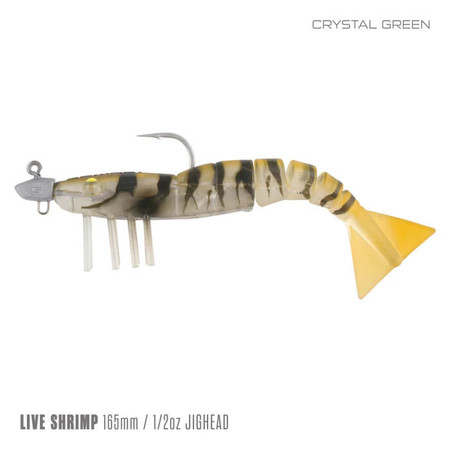

6 varieties


4 varieties


6 varieties

4 varieties

5 varieties
8 varieties


4 varieties


4 varieties


6 varieties
5 varieties
6 varieties

5 varieties

4 varieties

4 varieties


8 varieties

6 varieties


6 varieties


7 varieties
8 varieties
Types of Soft Plastic Lures for Australian Waters
Paddle Tail Soft Plastics
Paddle tail lures create irresistible swimming action that mimics wounded baitfish. These versatile lures work brilliantly when rigged with appropriate jig heads, making them perfect for both estuary and offshore fishing. The paddle tail design generates vibration that attracts predatory fish from considerable distances.
Grub Soft Plastics
Grub-style plastic lures offer subtle action that's particularly effective for finicky fish. Their compact profile makes them ideal for targeting bream and smaller species, whilst still being robust enough for larger predators. The curly tail creates gentle movement that often triggers strikes when other lures fail.
Shad Body Lures
Shad-profile soft lures closely resemble the natural baitfish found in Australian waters. These lures excel when fish are feeding on schools of small fish, providing a realistic presentation that's hard for predators to resist.
Essential Rigging Techniques for Soft Plastic Lures
Choosing the Right Jig Heads
Selecting appropriate jig heads is crucial for soft lure success. Consider water depth, current strength, and target species when choosing weight. Lighter jig heads work well in shallow water or when fish are feeding near the surface, whilst heavier options help you reach deeper fish or maintain contact in strong currents.
Line Selection: Braid and Fluorocarbon Leaders
Braid mainline provides excellent sensitivity and casting distance, allowing you to feel subtle bites and work your lures effectively. Pair your braid with a fluorocarbon leader for reduced visibility underwater - this combination gives you the best of both worlds.
Weedless Rigging Options
When fishing around structure or in weedy areas, weedless rigging techniques help prevent snags whilst maintaining lure action. These setups allow you to fish confidently in productive areas where fish often hide.
Proven Retrieval Techniques That Catch Fish
The Lift and Drop Method
This fundamental technique involves lifting your rod tip to impart action, then allowing the lure to flutter down on a semi-slack line. Many strikes occur on the drop, so maintain contact with your lure throughout the retrieve.
Steady Swimming Retrieve
A consistent swimming retrieve works particularly well with paddle tail lures. Vary your retrieve speed until you find what the fish prefer on any given day - sometimes slow and steady wins, other times a faster pace triggers aggressive strikes.
Twitching and Pausing
Sharp twitches followed by pauses can trigger reaction strikes from predatory fish. This erratic action mimics injured baitfish and often proves irresistible to hungry predators.
Target Fish Species and Soft Lure Selection
Snapper Fishing
For snapper, choose robust soft plastics that can handle their aggressive strikes and sharp teeth. Larger paddle tail lures in natural colours often produce excellent results around reef structures and drop-offs.
Bream Tactics
Bream respond well to smaller, more subtle presentations. Curl tail Grub-style lures worked slowly around structure often outperform flashier options when targeting these intelligent fish.
Flathead Success
Flathead are ambush predators that respond to paddle shads as they work along the bottom. Shop soft plastic lures that maintain action at slow speeds and can handle contact with sandy or muddy bottoms.
Caring for Your Soft Plastic Lures
Storage Solutions
Proper storage extends the life of your soft plastic lures significantly. Keep different colours separated to prevent bleeding, and store them in tackle boxes with adequate ventilation to prevent moisture buildup.
Maintenance Tips
Rinse your fishing lures with fresh water after each fishing session, especially when fishing in saltwater. Check for tears or damage regularly. Small repairs can often extend a lure's fishing life considerably.
Advanced Soft Plastic Techniques
Reading Water Conditions
Understanding how water conditions affect lure presentation helps you choose the right approach. Clear water often requires more natural presentations, whilst murky conditions may call for brighter colours or more aggressive action.
Seasonal Considerations
Fish behaviour changes throughout the year, and your soft lure approach should adapt accordingly. Cooler months often require slower presentations, whilst warmer periods may see fish responding to more active retrieves.
Structure Fishing
Soft plastics excel around structures where fish congregate. Learn to work your lures and weedless hooks through timber, rocks, and artificial structures without losing expensive tackle.
Building Your Soft Plastic Arsenal
Essential Colours
Stock your tackle box with natural colours like pearl, white, and clear for clear water conditions. Include chartreuse, pink, and other bright options for murky water or low-light situations.
Size Selection
Carry a range of sizes to match local baitfish and target different species. Smaller fishing lures often work better when fish are finicky, whilst larger options can help you target trophy-sized fish.
Starter Pack Recommendations
New to fishing with plastic lures? Consider starting with a selection of paddle shads in popular sizes, paired with appropriate jig heads or even a jerk shad kit. This combination covers most fishing styles and situations you'll encounter.
Why Australian Anglers Choose Quality Soft Plastics
The difference between cheap imitations and quality soft plastic lures becomes apparent after just a few fishing trips. Premium lures maintain their action longer, resist tearing, and often feature scent technology that enhances their fish-attracting properties.
Quality soft lures also cast better, work more naturally in the water, and provide the sensitivity needed to detect subtle bites. When you're investing time and money in your fishing adventures, using reliable gear makes perfect sense.
Ready to upgrade your plastic lure game? Browse our complete range of premium soft plastic lures, jig heads, and rigging accessories. Our team understands Australian fishing conditions and can help you select the perfect setup for your target species and local waters.
Frequently Asked Questions
What's the best soft plastic lure for beginners? Paddle tail lures in 3-4 inch sizes offer the most versatility for new plastic anglers. They're easy to rig, work effectively with simple retrieves, and catch a wide variety of species. Start with natural colours like pearl or white.
How do I choose the right jig head weight? Jig head weight depends on water depth, current, and wind conditions. As a general rule, use the lightest weight that maintains bottom contact and lure control. In 2-5 metres of water with light current, 1/4 to 1/2 ounce heads work well.
Why use fluorocarbon leaders with soft plastics? Fluorocarbon leaders are nearly invisible underwater and provide abrasion resistance against sharp teeth and rough structure. They also have less stretch than monofilament, improving bite detection when using soft plastics.
How long do soft plastic lures typically last? Quality soft lures can last for multiple fish, depending on the species and fishing conditions. Toothy fish like tailor will damage lures quickly, whilst bream and whiting are gentler. Proper storage and care significantly extend lure life.
What's the difference between scented and unscented soft plastics? Scented soft plastics contain attractants that can encourage fish to hold onto the lure longer, giving you more time to set the hook. They're particularly effective in murky water or when fish are being finicky.
Can I repair damaged soft plastic lures? Minor tears can often be repaired with super glue or specialised lure repair products. However, extensively damaged lures should be replaced as they won't swim properly and may not attract fish effectively.