
Barramundi Fishing: Everything You Need to Know From The Experts
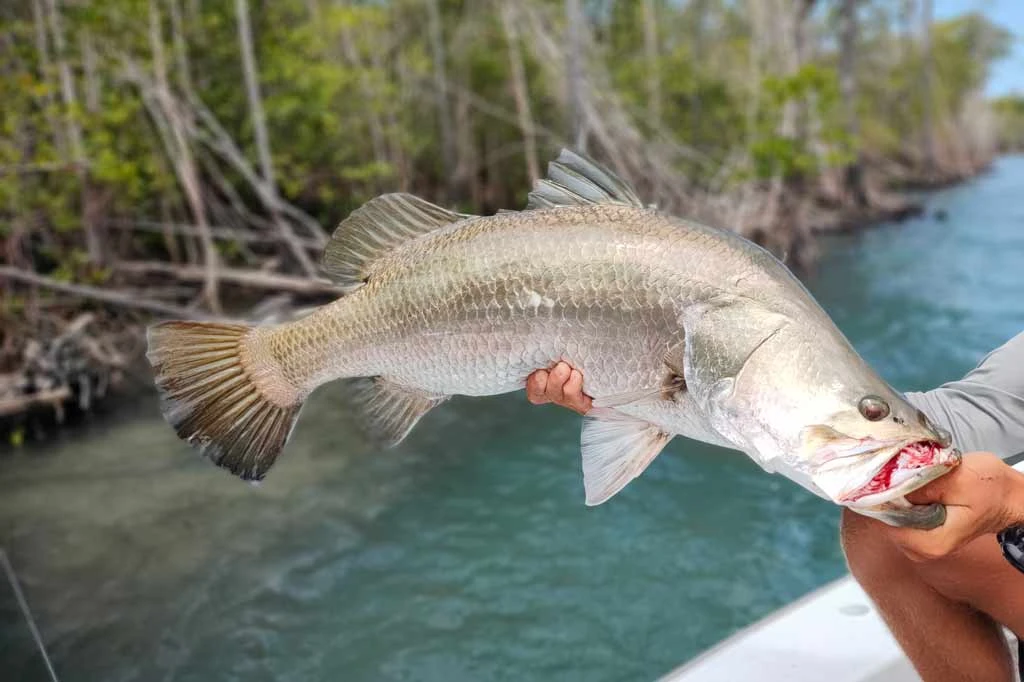
Barramundi can grow massive - over a meter long and weigh between 10-20 kilograms. These prized catches rank as Australia's top inshore sport fish. They've been fascinating anglers for generations.
The fish are most active in summer when water temperatures hit 26-30 degrees Celsius. Queensland Fisheries has set a fishing closure on the East Coast from November 1 to January 31. Your best chance to land these impressive fish comes during the wet season from November to mid-May.
Knowing barramundi's habitat is vital to catching them successfully. These ambush predators stay close to their territory and spawn only in estuaries. The biggest breeding populations on the East Coast live in major river systems. You'll find them in Central Queensland's Rockhampton region's Fitzroy River, and the Fraser Coast's Mary River. The moon's phases have a substantial effect on fishing success.
The most productive times are two days before, during, and two days after both full and new moons. This piece will give you the expert knowledge to catch barramundi. You'll learn about prime locations, perfect timing, needed gear, and proven techniques from people who've become skilled at barramundi fishing. It doesn't matter if you're an expert or just starting.
Where to Catch Barramundi
Australia has exceptional barramundi fishing spots in both saltwater and freshwater. Your success rate for catching these prized sportfish goes up when you know the right places to cast your line, from coastal mangroves to stocked impoundments.
Top saltwater locations in Australia
The Northern Territory is the undisputed barramundi capital of Australia. The Mary River system produces massive barramundi that weigh more than 25kg. You'll find the heart of Mary River fishing action at Shady Camp, 160 km south of Darwin. The Daly River hosts two major fishing competitions: the Barra Classic and the Barra Nationals.
Queensland's Fitzroy River is a prime spot for barramundi. It has 45km of estuarine environment downstream of Rockhampton's barrage. The fish numbers and size have grown steadily since this system became commercial net-free in 2015. Hinchinbrook Island is another great spot, especially around Missionary Bay and Hecate Point.
The Kimberley region in Western Australia features the legendary Ord River. Casting lures near rock bars and snags brings impressive results. Fishing here needs careful planning and well-equipped boats because of massive tidal ranges up to 11 meters in a single day.
Best freshwater dams and impoundments
Trophy barramundi are easier to catch in freshwater impoundments. Lake Tinaroo on the Atherton Tablelands has multiple world records to its name. The Mackay region boasts three world-class fishing spots: Kinchant, Teemburra, and Eungella dams.
Kinchant Dam stands out after completing a Habitat Enhancement Project. The project added 194 structures that created 36 fishing hotspots. Anglers regularly catch barramundi bigger than 130cm here. While most people fish Kinchant from dusk into the night, Teemburra Dam gives anglers hundreds of hectares of semi-submerged timber and weedy bays perfect for casting at snags.
Lake Awoonga near Gladstone keeps its fish population healthy through yearly stocking programs. Anglers regularly catch specimens bigger than 120cm. Lake Kununurra offers something different with its hybrid river-lake system. Over a million stocked barramundi thrive here thanks to steady water levels and lush vegetation.
How to identify productive structure
Successful barramundi fishing comes down to understanding these ambush predators' priorities. Estuaries are prime spots because they offer rich food sources like mullet and prawns, plus shelter. The best areas let barramundi stay out of strong currents while watching for passing prey.
Points are reliable spots. Whether they're weeds, lilies, timber, or land formations. These spots usually mix shallow water with deeper sections. This lets fish move up to hunt while keeping escape routes open.
The sort of thing I love is how bays with wind often produce better results despite being uncomfortable to fish. Wind helps by adding oxygen to the water, stirring up food, creating surface cover, and pushing warmer water into the area.
Remote and lesser-known hotspots
The Gulf of Carpentaria gives adventurous anglers pristine fishing environments packed with barramundi. Victoria River in the Northern Territory has many creeks and estuaries where barramundi thrive, especially during neap tides between March and May.
Jackey Jackey Creek's 72 waterways are full of barramundi. It's gained a following among enthusiasts even though it doesn't get much publicity. Western Cape York's remote rivers are perfect for exclusive week-long expeditions that keep clients coming back.
Corroboree Billabong has the world's highest concentration of saltwater crocodiles. This is evidence of its productive barramundi habitat since these apex predators follow their favourite food source.
When to Fish for Barramundi
The right timing makes all the difference in barramundi fishing success. Your chances of catching these prized sportfish go up when you know the best season, time of day, and weather conditions.
Seasonal patterns and closures
Queensland enforces strict barramundi fishing closures to protect spawning fish. The closed season in Queensland freshwaters (except the Gulf of Carpentaria) runs from November 1 to January 31 each year. The Gulf of Carpentaria follows a different schedule from October 7 to January 31. These rules help fish spawn without the stress of being caught.
The Northern Territory lets you fish for barramundi all year round through four seasons: wet season (January to mid-March), runoff (March to April), dry season (May to September), and build-up (October to December). Most fishers say March to April is the sweet spot for barramundi fishing. The receding floodwaters push baitfish toward river mouths during this time.
The Kimberley region in Western Australia sees rivers full of barramundi during the wet season (November to April), though getting there can be tough. Fishing gets easier in the dry season as water levels drop, and you'll often catch bigger fish near the season's end.
Best time of day to fish
Dawn and dusk are your best bets for catching barramundi. These fish naturally feed during low-light conditions. Night fishing works better in warmer months when water temperatures climb above 27-28°C.
Winter brings less active fish in cooler waters. Fish during the day's warmest hours to improve your chances. Live bait, especially prawns, works better in cool weather.
Moon phases and tidal influence
Experienced impoundment anglers catch more fish in the days before a full moon. The full moon's light helps barramundi hunt their prey at night during the hottest months (October to March).
Tides shape how barramundi behave in saltwater. Outgoing tides push baitfish from mangroves and creeks, creating perfect hunting spots. Incoming tides bring fresh baitfish, with barramundi right behind them.
Neap tides happen during the moon's first and third quarters, while spring tides occur during full and new moons. Clear water during neap tides suits lure fishing. Spring tides stir up bait and get the fish feeding aggressively.
How the weather affects barramundi behaviour
Barramundi thrive in water temperatures between 26-30°C. They get sluggish in colder water and rarely chase artificial lures.
Changes in air pressure change how barramundi behave. They need several days to adjust after big pressure shifts. Cold, windy weather can drop water temperature by 4 degrees overnight. Trough lines throw off normal barometer readings. Both conditions slow down feeding.
Heavy rain, especially during wet seasons, gets barramundi moving. Fresh water flowing into estuaries and rivers stirs up their food. These conditions work great for both artificial lures and live bait.
Gear Setup and Preparation
Your success in barramundi fishing starts with the right equipment. The right rod, electronics and gear components will boost your chances of landing these powerful predators.
Rod and reel recommendations
Barramundi fishing demands specialised gear that can handle aggressive strikes and powerful runs. A 6'6" fibreglass rod with medium action and soft tip works best for live baiting. Match it with a spinning reel in the 6000-7000 size range. This combo gives you the stretch needed for a more passive live baiting approach.
Lure casting works better with shorter graphite or graphite composite rods (5'6" to 6') in the 8-10kg range. These give you better sensitivity and control. Baitcasters are perfect here - models like the Quantum Smoke HD or Tatula 200 help you cast accurately at structure. You can thumb the spool with these reels to place lures exactly where you want them.
A lightweight 6-7' rod is best for jigging. It won't tire you out during long sessions. Pair it with either spin reels (4000 size) or baitcasters, based on what feels right to you.
Line, leader, and rigging tips
Your line choice depends on how you fish. Lure casting and jigging need (7-23kg) braided line to feel subtle strikes. Live baiting works better with monofilament (9-14kg) since it stretches when fish hook themselves.
Barramundi's rough jaws make leader material crucial. Fluorocarbon leaders from (18-36kg) prevent break-offs. 25kg works for most situations, but go with (32-36kg) for trophy fish.
Many seasoned anglers prefer a wind-on leader system over swivels. The leader winds straight onto the reel. This gives you maximum protection against abrasion without weak connection points that might fail under pressure.
Essential tackle box items
Your barramundi tackle box should have:
- Strong hooks (Kahle-style hooks are great for live bait)
- 6X strong trebles for lure upgrades
- Weedless jig heads for fishing heavy structure
- Paddle-tail soft plastics (4-6 inch range)
- Hard-bodied lures (100-160mm)
Live bait anglers need a cast net to catch prawns, mullet, herring, and whiting - barramundi love these.
Using sounders and electronics effectively
Modern electronics have changed the game in barramundi fishing. Quality side-imaging and down-imaging sounders show you fish-holding structure you'd never see otherwise. These units display barramundi's unique signature clearly on screen.
Smart anglers spend time mapping productive areas before they start fishing. Old creek lines act like underwater highways for barramundi. Mark these spots even if you don't see fish right away. This early scouting pays off when fish become active during tide changes or dawn/dusk periods.
Choosing the Right Bait and Lures
Barramundi react to different presentations based on their environment and conditions since they're apex predators. The right baits and lures can make all the difference between catching fish or going home empty-handed.
Best bait for barramundi in different seasons
Live bait works better than artificial options, especially when barramundi aren't very active. Poddy mullet stands out as the go-to barramundi bait. Minnows, freshwater prawns (cherabin), and shrimp are also great live bait choices. Perch and barra frogs really shine in freshwater systems.
Barramundi slow down as water temperatures drop in winter. Live prawns become your best bet during these cooler months. Dead bait might work sometimes, but it doesn't create the movement that gets barramundi's hunting instincts going.
Top lures for casting and trolling
Expert guides recommend these seven main lure types to catch barramundi:
- Shallow hard bodies for surface zones
- Deep hard bodies (like Halco Scorpion) for accessing depths
- Sinking stick baits for vertical presentations
- Poppers and surface lures for visual strikes
- Vibes for deep holes and heavy current
- Curly tails (like Berkley Powerbait Nemesis) for slow retrieves
- Paddle tail soft plastics for "low and slow" presentations
Your trolling lures should run about ½ to ¾ of the water depth. Lures with bigger bibs handle structure better and resist snags.
How to present bait naturally
Monofilament line (10–15kg) works best with live bait because it stretches when fish hook themselves. Braided line (7–13.5kg) gives you a better feel when fishing with lures.
Ebb tides create perfect conditions - position your bait like an injured fish fighting the current and watch the strikes roll in. Soft plastics need a slow retrieve with occasional twitches that mimic wounded prey.
Colour and size selection tips
Clear water calls for natural colours that match local baitfish - silver, gold, olive, brown, black, and white produce results consistently. Bright colours like greens, pinks, and yellows show up better in murky water. Two-tone lures catch fish's attention from different angles.
Your lure size should match what the fish are eating - usually between 100-200mm. Structure fishing works better with smaller lures, while deeper water fishing favours bigger ones.
Expert Fishing Techniques
Expert barramundi anglers use specialised techniques that set them apart from casual fishers. These tactics make use of information about the fish's predatory instincts and habitat priorities.
How to catch a barramundi with live bait
Place the rod in a holder instead of holding it to let barramundi hook themselves naturally. This approach works best with a Kahle hook. Mullet stands out as the top choice among other options like mud herring and greenback herring. Live prawns deliver better results in winter conditions. The bait should look like an injured fish fighting against the current during ebb tides.
Casting into snags and mangroves
Weedless rigging with suitable jigheads helps you fish around heavy structure without getting snagged. Make your casts toward points, eddies, and timber-lined banks. Try different retrieval speeds until the fish start striking. Deep holes, ledges and snags attract more fish during winter.
Trolling deep divers effectively
Pick lures that run between half and three-quarters of the water depth in shallow areas. Deeper structure requires lures that make contact with bottom contours. The motor should alternate between in and out of gear while trolling into the current. Give the rod occasional jigs to avoid snags.
Jigging in back eddies and drop-offs
Tidal flow creates back eddies naturally when it meets a structure. These calm water spots become barramundi's waiting areas for prey. The timing is vital. Tides at different stages create unique eddies. Light fishing rods between 6 and 7 feet help prevent tiredness during long jigging sessions.
Handling and releasing big barramundi
Knotless landing nets should be your first choice. Big fish need horizontal support from underneath. Never lift them by the jaw or tail since this can harm their spine and internal organs. Your hands should be wet before touching the fish to protect their protective slime. Hold tired fish gently in water against the current until they regain strength.
Conclusion
Barramundi fishing ranks among Australia's best angling experiences that reward anglers who become skilled at its techniques. Expert anglers have shared their decades of knowledge about catching these magnificent sportfish. Without doubt, your success depends on learning these fish's priorities - from mangrove-lined estuaries to freshwater impoundments where trophy fish often hide.
The weather and timing make a huge difference in catching barramundi. March to April's runoff period gives you prime conditions as floodwaters go down. The days around full and new moons will get you better results. On top of that, these ambush predators become most active during early mornings and late evenings when light levels are low.
Your gear choices affect your chances of landing these powerful fish by a lot. You need to match your rod, reel, and line to specific techniques - whether you're casting lures into structure, trolling deep divers, or using live bait. Modern electronics help you find underwater highways and structures where barramundi gather.
Bait and lure choices must change with seasonal patterns and water conditions. Live mullet works best overall, but seasoned anglers adjust how they fish based on water clarity, temperature, and how barramundi behave. Learning specialised techniques like weedless rigging for mangrove fishing or proper jigging in back eddies turns occasional catches into consistent ones.
Environmentally responsible catch-and-release practices keep barramundi populations healthy for future generations. Dedicated barramundi anglers support conservation efforts, follow seasonal closures, and handle fish with care.
This detailed knowledge helps anglers at every skill level fish for barramundi confidently. The thrill of hooking Australia's premier sportfish awaits you - whether you're casting into snags along the Daly River or trolling Lake Tinaroo's depths. Just put these expert tips to work.
If you’re still searching for more information on barramundi fishing, don’t hesitate to visit our friendly team in store today, here at Barra Jacks. Or visit our website to shop our product range.
FAQs
What is the most effective bait for catching barramundi?
Live mullet is considered the universal standard for barramundi bait. Other productive options include minnows, freshwater prawns, and shrimp. During cooler months, live prawns are particularly effective.
What are some key techniques for successful barramundi fishing?
Successful techniques include casting into snags and mangroves using weedless rigging, trolling deep divers at the right depth, and jigging in back eddies and drop-offs. It's also crucial to adapt your approach based on tides, seasons, and water conditions.
When is the best time to fish for barramundi?
The most productive times are typically early morning and late evening when barramundi are most active. The days surrounding full and new moons often yield better results. The runoff period from March to April is considered prime time in many areas.
Why are barramundi considered challenging to catch?
Barramundi can be difficult to catch due to their complex behaviour patterns and habitat preferences. They often inhabit areas with heavy structure, making lure presentation challenging. Their movements in saltwater can be unpredictable, adding to the difficulty.
How should you handle and release large barramundi?
When handling large barramundi, use knotless landing nets and support the fish horizontally. Wet your hands before touching the fish to protect its protective slime. To release, gently hold the fish in the water, facing into the current until it's strong enough to swim away on its own.